
The Archaeology of Accumulation
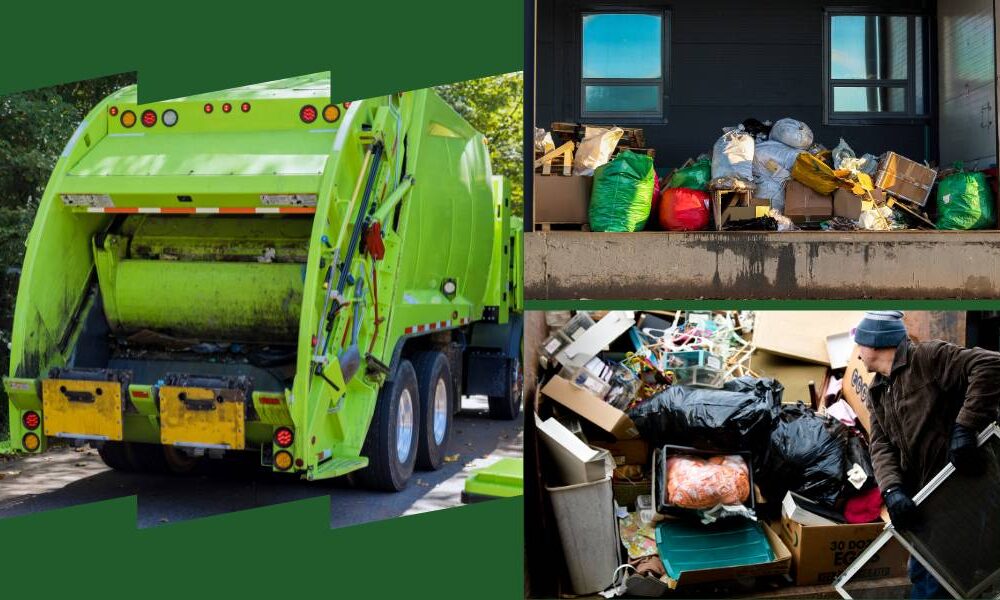
When you have junk to clear, you are confronting something quite profound about human existence. We are, perhaps uniquely among Earth’s creatures, accumulators of objects. Consider the layers of possessions in your home, each item representing a moment in time, a decision made, a hope cherished or abandoned. These strata of stuff tell a story not unlike the geological record, except our timescale is measured in years rather than millennia. In Singapore, where space is among the most precious commodities on the planet, the National Environment Agency reports that households generate substantial volumes of unwanted items annually. Each discarded sofa, each obsolete television, each forgotten box of paperwork represents matter that once seemed essential but has now completed its journey through our lives.
Understanding What Constitutes Junk
The definition is rather more flexible than we might initially suppose. One person’s junk is, as the saying goes, another person’s treasure. Yet certain categories emerge with remarkable consistency when we examine what people typically need removed.
Common items requiring clearance include:
- Furniture that has outlived its usefulness or appeal
- Electronic devices rendered obsolete by technological progress
- Appliances that have ceased functioning
- Boxes of papers and documents accumulated over decades
- Clothing and textiles no longer worn
- Books that will never again be opened
- Renovation debris and construction materials
- Garden equipment and outdoor furniture damaged by tropical weather
The pattern reveals something interesting about modern life. We acquire objects at rates our ancestors would find bewildering, and we discard them with similar velocity. The junk to clear from our spaces represents the material exhaust of contemporary existence.
Why Clearing Becomes Necessary
The accumulation follows predictable patterns, like the gradual accretion of cosmic dust into planets. Small additions seem insignificant until one day you realize your storeroom has become impassable, your garage serves only as a repository rather than its intended purpose, your spare bedroom has disappeared beneath layers of postponed decisions.
Life transitions accelerate the need for clearance. Moving house forces confrontation with accumulated possessions. Renovations create both construction waste and the impetus to discard outdated items. The death of family members leaves behind entire households of belongings requiring sensitive handling. Downsizing in retirement means confronting decades of acquisition. Each transition point becomes a reckoning with our relationship to material objects.
The Scale of the Challenge
Singapore faces particular constraints that make junk clearance more pressing than in nations with abundant space. The entire country spans only 728 square kilometers, and much of that is built environment. According to the National Environment Agency, the nation’s only remaining landfill at Semakau Island will eventually reach capacity despite engineering marvels that extended its lifespan. Every item we discard must go somewhere in this finite space, making the question of what we keep and what we clear surprisingly consequential.
Consider the mathematics. If each of Singapore’s 1.4 million households cleared just ten kilograms of junk annually, that represents 14,000 tonnes of material requiring processing, transport, and disposal. The actual figures substantially exceed this modest calculation.
The Professional Approach to Clearance
When junk to clear exceeds what individuals can reasonably handle themselves, professional services provide systematic solutions. These operations understand something fundamental: clearance is not merely about removal but about proper handling of diverse materials.
Professional clearance services typically offer:
- Assessment of items to determine what can be donated, recycled, or must be disposed
- Physical labour to extract items from buildings without damage to property
- Appropriate vehicles and equipment for transport
- Knowledge of proper disposal facilities and recycling centres
- Compliance with National Environment Agency regulations
- Sorting capabilities that maximize recycling and minimize landfill use
The process resembles triage in some respects. Not everything qualifies as waste in the traditional sense. Some items retain utility for others. Some contain materials worthy of recovery and reprocessing. Only true waste proceeds to final disposal.
The Environmental Dimension
Here is where the cosmic perspective becomes relevant. Every object we create requires resources extracted from Earth. Metals came from ore deposits formed over geological time. Plastics derive from petroleum created from ancient organisms. Wood originated in trees that took decades to grow. When we discard these objects thoughtlessly, we waste not just the item itself but the entire chain of energy and materials that brought it into existence.
Professional clearance services that prioritize recycling and donation extend the useful life of materials and objects. They acknowledge what scientists understand: matter is neither created nor destroyed, merely transformed. The question becomes whether we transform intelligently or wastefully.
Making the Decision to Clear
The psychology of letting go deserves consideration. We attach meaning to objects beyond their functional utility. That chair belonged to a beloved grandparent. Those books represent an earlier version of ourselves. The reluctance to clear stems from fear of losing these connections. Yet homes overstuffed with reminders of the past leave little room for the present.
Starting the clearance process requires acknowledging that the memories reside not in the objects themselves but in our minds. Photographs can preserve visual records without occupying physical space. A single meaningful item can represent an entire era better than dozens of forgotten boxes.
Looking Forward
The challenge of junk to clear reflects broader questions about how we live on this small planet. Singapore serves as a microcosm, demonstrating what happens when space constraints force confrontation with consumption patterns. The lessons learned here may prove valuable as Earth’s human population approaches ten billion souls, all requiring space to live and places to put their discarded possessions.
Perhaps future generations will view our era’s accumulation habits with the same puzzlement we reserve for inexplicable historical practices. For now, we must manage the junk to clear as responsibly as our current understanding permits, recognizing that every choice about disposal reverberates through systems larger than ourselves.