

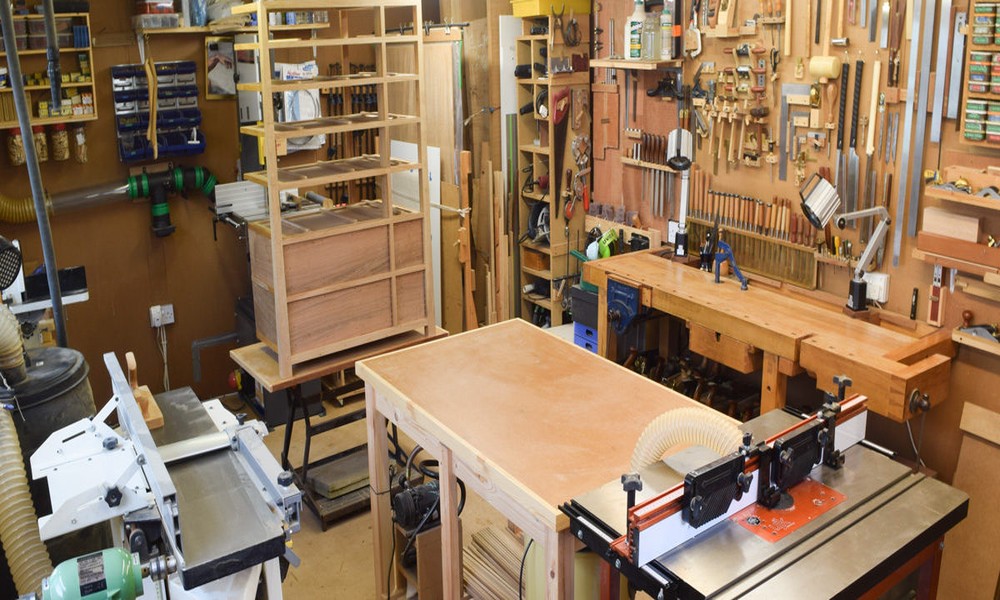
Even a workshop installation can appear okay initially and still slug things down. That usually occurs when the layout is constructed without actual understanding of the daily work flow. Planning must not just be a guess work but rather practical.
This is where the fitouts and installations of workshops are important. It pays attention to the usage of space by people, the handling of the tools and the most typical location of delays. The sooner such details are picked up, the more convenient is the final set up to operate with and the more practical to use in the first place.
In the absence of such skill, minor errors may accumulate and slow down work pace in the long run, although the workshop may appear to be orderly at the surface.
Creating a Design that Sells Automatically.
A good layout must be easy to navigate around. Employees do not have to think much about the next place to go and the location of tools. When the arrangement is confusing, time is wasted in minute movements that accumulate throughout the day.
Every space will have a purpose with the right fitout of the workshop and having installation knowledge. Activities which are related are kept close together and busy places are maintained open to prevent congestion. This brings about a continuous movement in which labour flows continuously without any interruptions.
This is to ensure that the space is natural and not forced. When everything is in place, the entire team will be able to work with fewer efforts.
Everyday Practical Storage.
Storage is mostly considered as a by-product yet it goes a long way in determining the manner a workshop operates. Lack of good storage causes cluttering, loss of tools and wastage of time. It also has the ability to reduce the space size of a space.
Storage will be designed around actual use with the aid of workshop fitouts and installation expertise. The placement of tools and parts depends on their frequency of use. Daily items are made easily accessible, with the less frequently used stock being put away neetly.
This type of arrangement maintains a clean work area without additional work. It also makes the workers remain on track, as they are not halting to find out what they require.
Less Wear, Damage and Downtime.
Workshops are subjected to daily wear and tear. Shelves, benches and fittings should be able to hold weight and move all the time. Use of low quality materials will lead to their early wear and delay.
Professional solution considers durability in the very beginning. Materials of good quality are selected and fittings are fitted in a manner which supports the material with time. This minimizes chances of breakage or repairs disrupting work.
The installation skills and workshop fitouts also take into account the usage of equipment. With the correct positioning of items, both the tools and workers will have less strain, which prevents premature damages.
Long Term Advantages of expanding Workplaces.
An established workshop must not only address the needs at hand, but must also be flexible. New tools or work can be added as work increases. Unless the space is flexible it may be difficult to change.
Workshop fitouts and installation skills are used with keeping future use in mind. Certain fittings may be relocated or extended at points where there is no need. This avoids major changes later on.
In the long term, such planning is cost- and time-saving. The workshop provides continuity to work daily without the need of constant repair. An installation that is constructed with precaution during development is a noticeable difference in the smoothness of operation.